Mobile Academy guide
Create a Product Map
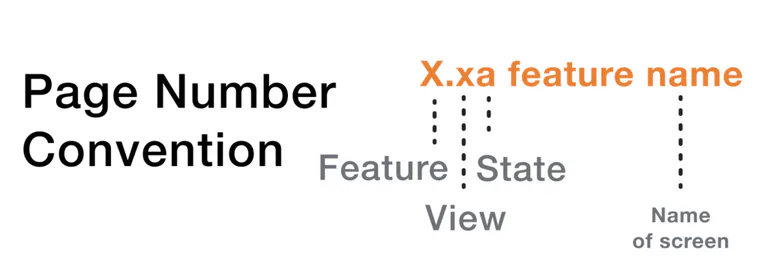
This guide will help you to create a product map to visually represent every feature and screen of your product in one view.
March 27, 2023

OpenForge insight
By OpenForge editorial team · Published December 23, 2025 · Updated January 5, 2026
Schedule a Free Demo Schedule a Free Demo Schedule a Free Demo TALK TO AN EXPERT 1. How do you choose the right app development partner? 2. What questions should you ask an app development company? 3. Is it better to hire in-house or an app dev partner? 4. What are the signs of a bad app dev partner? 5. How long should you work with an app development partner?
Hiring an app development partner is one of the highest-impact decisions a product team will make.
The right partner accelerates delivery, sharpens UX, and helps you scale with confidence. The wrong one quietly drains time, budget, and momentum often without obvious warning signs until it’s too late.
Most app dev partners look credible on the surface. Polished websites, long tech stacks, and confident sales calls don’t reveal how a team actually performs under real-world constraints.
Before you commit, you need better questions, ones that expose how a partner thinks, not just what they build.
This guide by OpenForge covers 10 essential questions to ask before hiring an app dev partner, so you can choose a team that delivers outcomes, not just code.
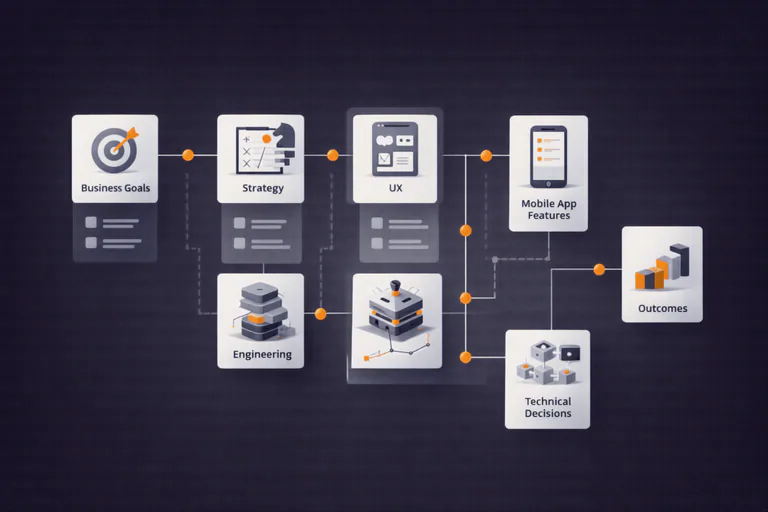
A strong app development partner doesn’t start with screens or features.
They start by understanding:
If a partner jumps straight to frameworks or estimates without discussing outcomes, that’s a red flag.
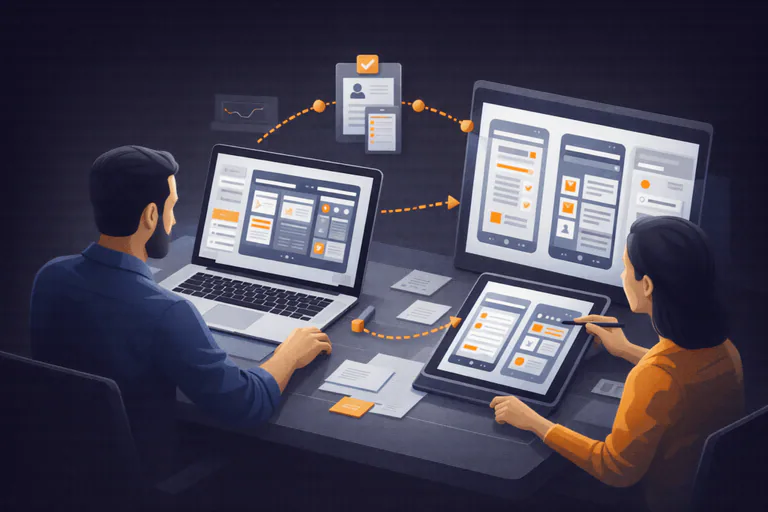
Great apps fail without great UX.
Ask how your partner:
UX should shape development, not be layered on at the end.
Get expert support to launch and scale your mobile app
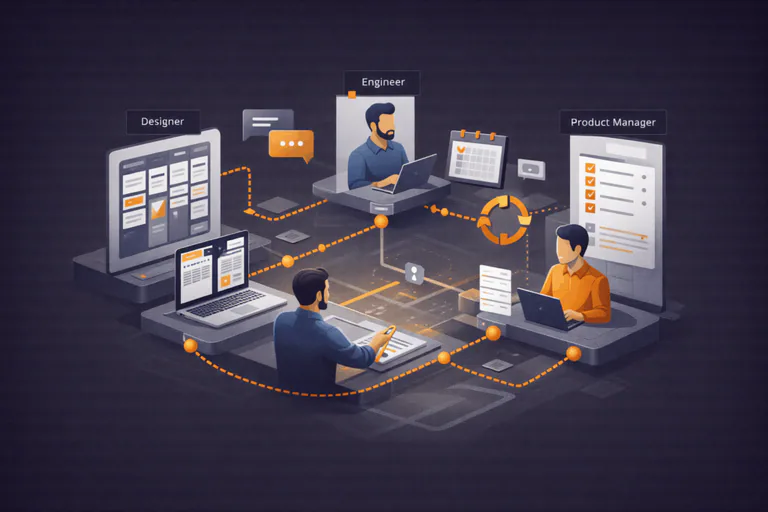
App development is rarely linear.
Strong partners:
Rigid processes break under real product pressure.
Clarify:
You’re hiring the delivery team, not just the people on the sales call.
Speed without quality creates long-term pain.
Listen for:
A good app dev partner builds for scale, not demos.
Lack of visibility erodes trust quickly.
Ask about:
You should never have to guess where things stand.
Wondering what mobile app development really looks like?
Exact industry matches are helpful but not required.
What matters more:
Beware partners who claim expertise in everything.
These are expensive to fix later.
Strong app dev partners:
If these only come up when asked, they’re likely reactive.
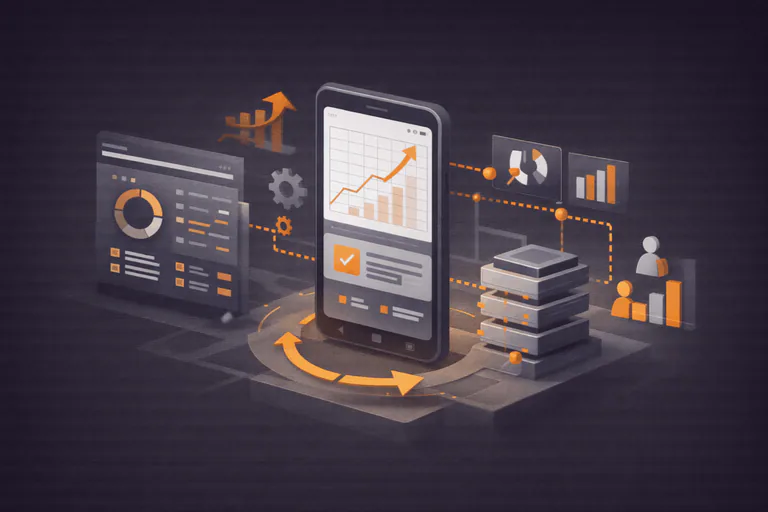
Shipping is not the finish line.
Great partners care about:
This separates builders from product partners.
Many partners disappear after delivery.
Ask about:
The right app dev partner thinks long-term.
These mistakes compound quickly.
Want to explore solutions tailored to your team?
Hiring an app development partner isn’t procurement, it’s leadership.
The right partner challenges assumptions, protects long-term quality, and helps you navigate uncertainty with clarity.
OpenForge partners with teams that want more than execution. We design and build scalable, high-performance mobile apps with UX, velocity, and long-term outcomes in mind.
📅 Schedule a Free Consultation to evaluate your product goals before hiring an app dev partner.
By evaluating UX maturity, technical depth, communication style, and alignment with business goals, not just cost.
Ask about UX approach, team structure, quality practices, scalability, and post-launch support.
It depends on speed, expertise needs, and long-term strategy. Many teams use partners to accelerate delivery without permanent overhead.
Poor communication, rigid processes, lack of UX thinking, and a focus on output over outcomes.
The best partnerships evolve over time, supporting launch, iteration, and scaling.
Continue reading
Mobile Academy guide
March 27, 2023
Mobile Academy guide
March 27, 2023
Mobile Academy guide
November 30, 2022