Schedule a Free Demo Schedule a Free Demo TALK TO AN EXPERT 1. What is the biggest compliance risk for crypto trading apps in 2026? 2. Are non-custodial crypto apps exempt from regulation? 3. How early should crypto apps implement compliance controls? 4. Do mobile crypto apps face different security risks than web platforms? 5. Can agile development coexist with regulatory compliance?
Building a crypto trading app in 2026 is no longer just about speed, UX, or token support. It is about survival.
Between intensifying U.S. regulation, rising cybersecurity threats, and increasingly strict expectations from users and investors, compliance and security have become core product risks. If they are not addressed early, they can derail launches, freeze growth, or shut platforms down entirely.
This guide breaks down the most critical compliance and security risks crypto trading apps must prepare for in 2026, and what technical leaders should be doing now to stay ahead.
Table of Contents
Why Compliance Is Now a Product Risk, Not Just a Legal One
The SEC’s Expanding Role in Crypto Oversight
Many crypto platforms may fall under existing securities laws, regardless of how they brand themselves.
By 2026, crypto trading apps face real risk around:
- Being classified as unregistered exchanges or brokers
- Offering tokens later deemed securities
- Inadequate disclosures to retail users
This directly impacts product architecture, not just legal paperwork.
Why “Build First, Fix Later” No Longer Works
Many crypto startups rushed to market, planning to “add compliance later.” That strategy now creates:
- Expensive rebuilds
- Delayed fundraising
- Forced feature rollbacks
- App store and banking partner rejections
Compliance decisions made late are far more costly than those made early.
This is why compliance isn’t something your legal team can solve alone. It affects your onboarding UX, wallet architecture, transaction logging, audit trails, and even your app’s monetization model.
At OpenForge, we design mobile apps with these constraints built into the product roadmap early, so your team doesn’t end up rebuilding the entire platform six months after launch.
Key Compliance Risks Crypto Trading Apps Must Address in 2026
SEC Classification Risk
Your app’s features determine how regulators view you.
Risk increases if your app:
- Routes or matches trades
- Custodies user assets
- Offers yield, staking, or derivatives
- Monetizes transaction flow
Clear architectural boundaries and documented decision-making are critical.
KYC & AML Enforcement Is Becoming Less Forgiving
Know Your Customer and Anti-Money Laundering requirements are now aggressively enforced.
In 2026, regulators expect:
- Real-time identity verification
- Continuous transaction monitoring
- Clear audit trails
- Automated reporting for suspicious activity
Manual processes or “light” KYC implementations are no longer defensible.
State-by-State Compliance Creates Hidden Scaling Risks
Operating in the U.S. means navigating:
- Money transmitter licensing
- New York’s BitLicense
- Varying state consumer protection laws
Apps that do not design modular compliance controls early often hit scaling walls when expanding across states.
Data Privacy Laws Are Catching Up to Crypto
Crypto apps now handle:
- Personal identity data
- Financial transaction history
- Behavioral analytics
U.S. privacy frameworks inspired by CCPA and similar laws demand:
- Data minimization
- Secure storage
- Clear user consent flows
Poor data handling is both a legal and reputational risk.
These risks aren’t theoretical. They directly impact whether your app can stay live in the U.S., maintain banking partners, or scale into additional states.
OpenForge helps companies reduce these risks by designing mobile apps with modular compliance systems, identity verification integrations, and secure audit-ready infrastructure from day one.
Is your crypto trading app truly built to survive regulatory audits and security stress tests?
Top Security Risks Facing Crypto Trading Apps
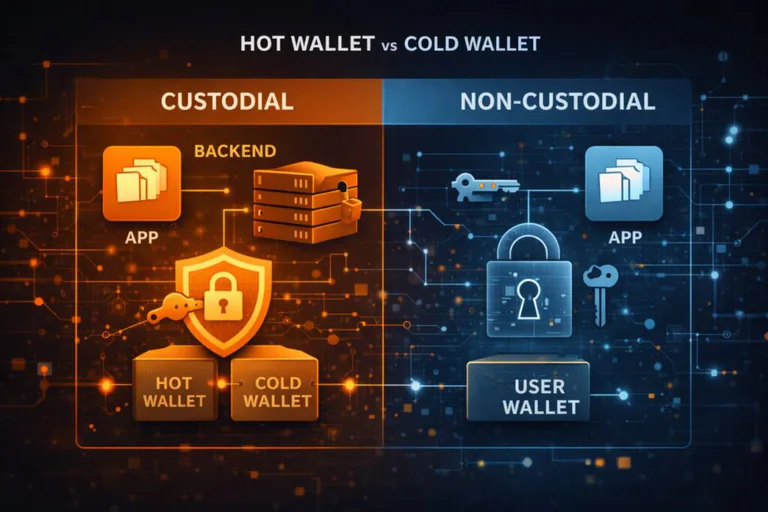
Custodial vs Non-Custodial Wallet Risks
Custody decisions define your threat model.
- Custodial wallets increase regulatory and breach liability
- Non-custodial wallets reduce custody risk but raise UX and key-management challenges
Many successful platforms now adopt hybrid models, balancing control and compliance.
Smart Contract Vulnerabilities
If your app interacts with smart contracts, risks include:
- Exploitable logic flaws
- Upgrade vulnerabilities
- Dependency risks from third-party protocols
Security audits are necessary but not sufficient without sound architecture.
API & Third-Party Integration Risks
Crypto apps rely heavily on:
- Liquidity providers
- Price oracles
- Identity verification vendors
- Payment rails
Each integration expands your attack surface and compliance exposure.
Mobile App-Level Threats
Traditional mobile threats still apply:
- Reverse engineering
- Man-in-the-middle attacks
- Insecure local storage
- Weak session handling
Crypto apps are high-value targets and must exceed baseline mobile security standards.
Are you building fast, or building something you’ll have to rebuild later?
Why Security and Compliance Must Be Designed Together
Architecture Decisions That Reduce Long-Term Risk
Strong crypto apps:
- Separate regulated and non-regulated components
- Isolate custody logic
- Use role-based access and permissions
- Log every critical action for auditability
These are engineering decisions, not legal add-ons.
How Agile Development Improves Compliance Outcomes
Agile, iterative development allows teams to:
- Respond quickly to regulatory changes
- Test compliance assumptions early
- Adjust features without full rewrites
📅 Schedule a Free Consultation to review your crypto app architecture before risks compound.
How OpenForge Helps Crypto Apps Build Securely and Scale Confidently
Compliance-Aware Architecture from Day One
OpenForge works with crypto founders, CTOs, and product teams to:
- Design regulatory-conscious app architectures
- Reduce future compliance refactors
- Align technical decisions with business risk
Modern Mobile Tech Without Cutting Security Corners
Using technologies like React Native and Ionic, OpenForge delivers:
- Faster development without sacrificing security
- Shared codebases with strict access controls
- Performance optimized for high-volume trading environments
📅 Schedule a Free Consultation to explore secure crypto app development strategies.
What Crypto App Leaders Should Be Doing Now
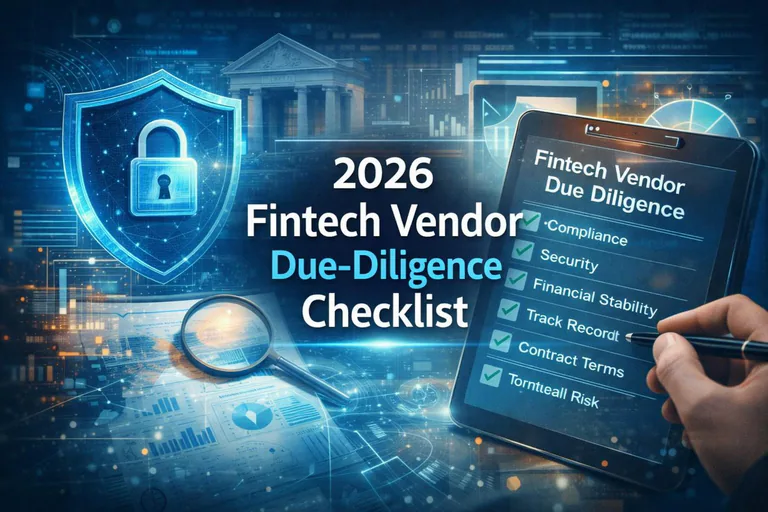
Compliance Readiness Checklist for 2026
- Define your regulatory exposure early
- Choose custody models intentionally
- Implement KYC/AML as core infrastructure
- Design modular compliance layers
- Invest in mobile and Web3 security from day one
Crypto apps that plan for compliance now move faster later.
Frequently Asked Questions
SEC classification risk. Many apps unintentionally meet the definition of a regulated exchange or broker.
No. While custody risk is reduced, KYC, AML, and consumer protection laws still apply.
At the architecture stage. Retrofitting compliance later is significantly more expensive.
Yes. Mobile apps introduce device-level threats, reverse engineering, and session hijacking risks.
Absolutely. Agile teams can adapt faster to regulatory changes when compliance is built into workflows.